
If you’ve spent time wandering up or down the length of the Royal Mile, you might have stumbled across some of the many closes pocketed between the buildings that run the length of the mile.
Want to learn more? We’ve condensed everything you need to know and more into this blogpost - you’re welcome.
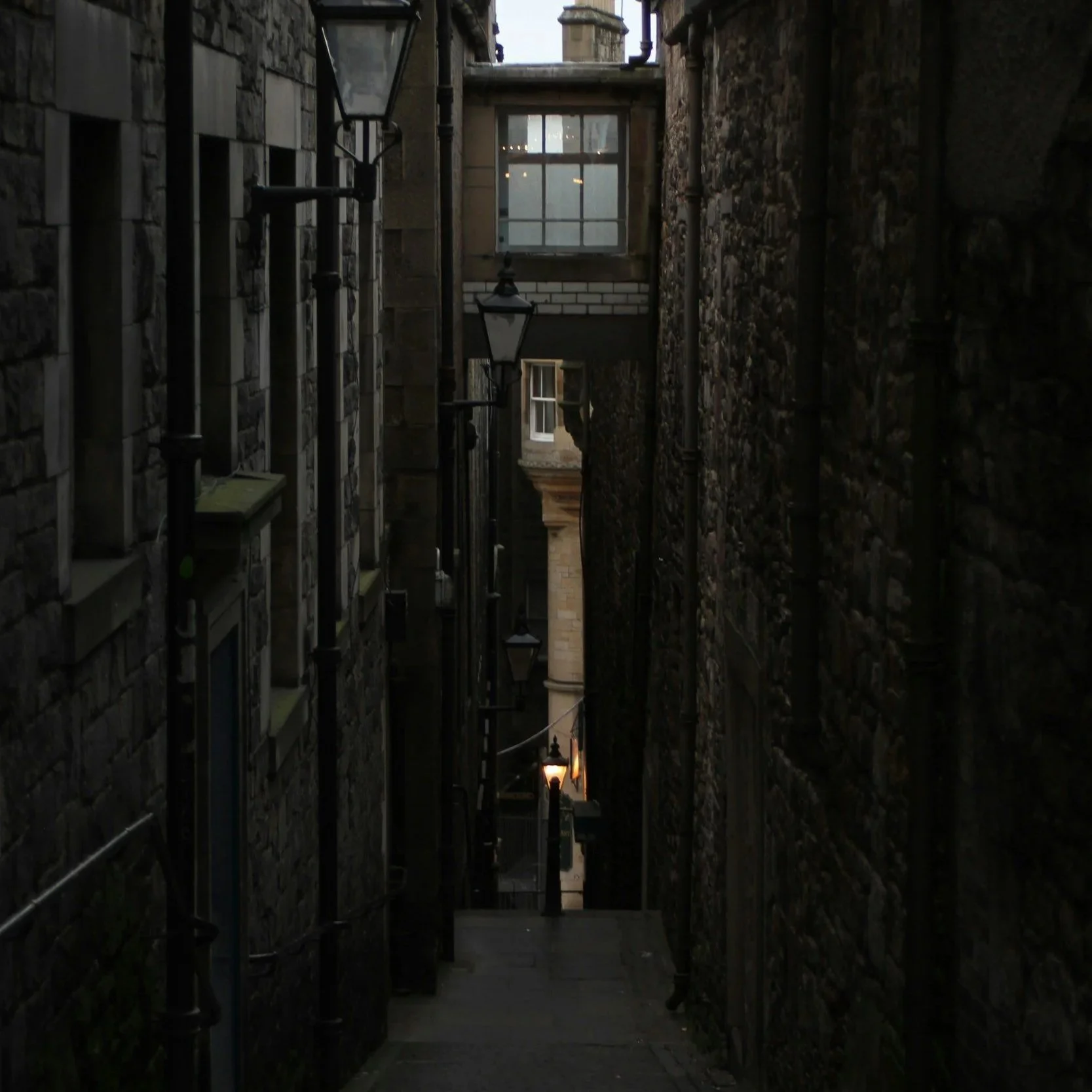
What is a ‘Close?’
A Close is a Scots term for an alley, and served as residential walkways as well as key trade areas for those who lived there. The name ‘close’ refers to the fact that many of the alleyways were dead-ends, unlike a Wynd that refers to a spiralled, curving walkway, such as Castle Wynd, which gives you direct access from Grassmarket to Castle Hill.
The Closes of Edinburgh are one of the oldest parts of the city, giving a nod to the history that lies bare in the cobbled lanes.
Advocate’s Close
If you find yourself wandering up (or down) Cockburn Street, make sure not to miss this hidden gem. Advocate’s Close is home to the famous Devils Advocates Bar & Kitchen, offering a range of refreshing draft beverages and a delicious seasonal menu. The pub was actually a 19th-century conversion from a boiler house, so it has much historical background within its walls. If you fancy yourself a whisky connoisseur, the bar offers up to 300 different whiskies for you to discover.
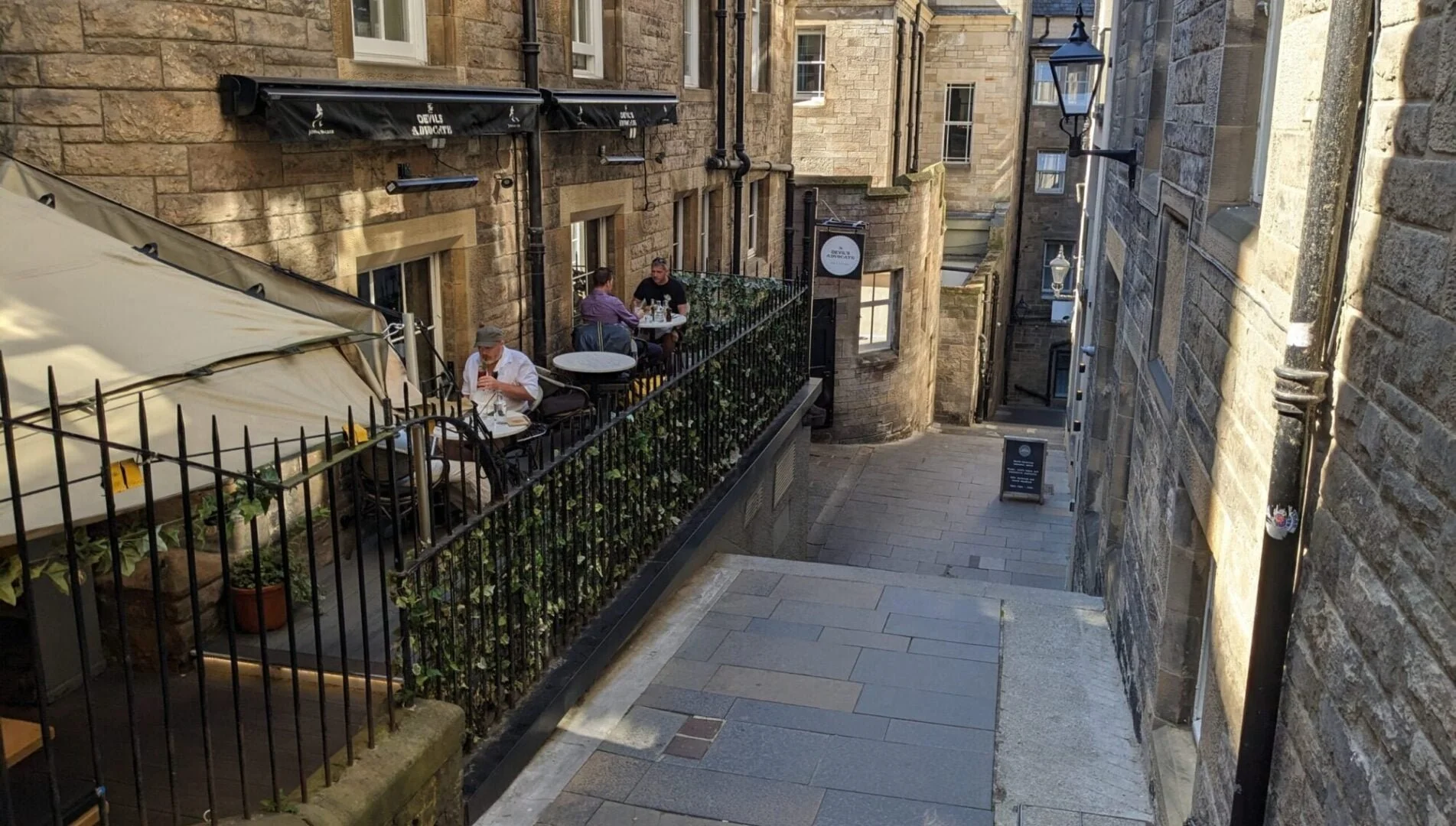
This close holds a lot of history, but also serves as a convenient pathway to and from the Royal Mile, which sits at the top of the close. The close is also known for its gorgeous appearance, and gives you a unique viewpoint of the Scott Monument in Princes Street Gardens. Well worth snapping a photo.
The close is actually named after James Stewart, who was the Lord Advocate of Scotland in the 1700s.
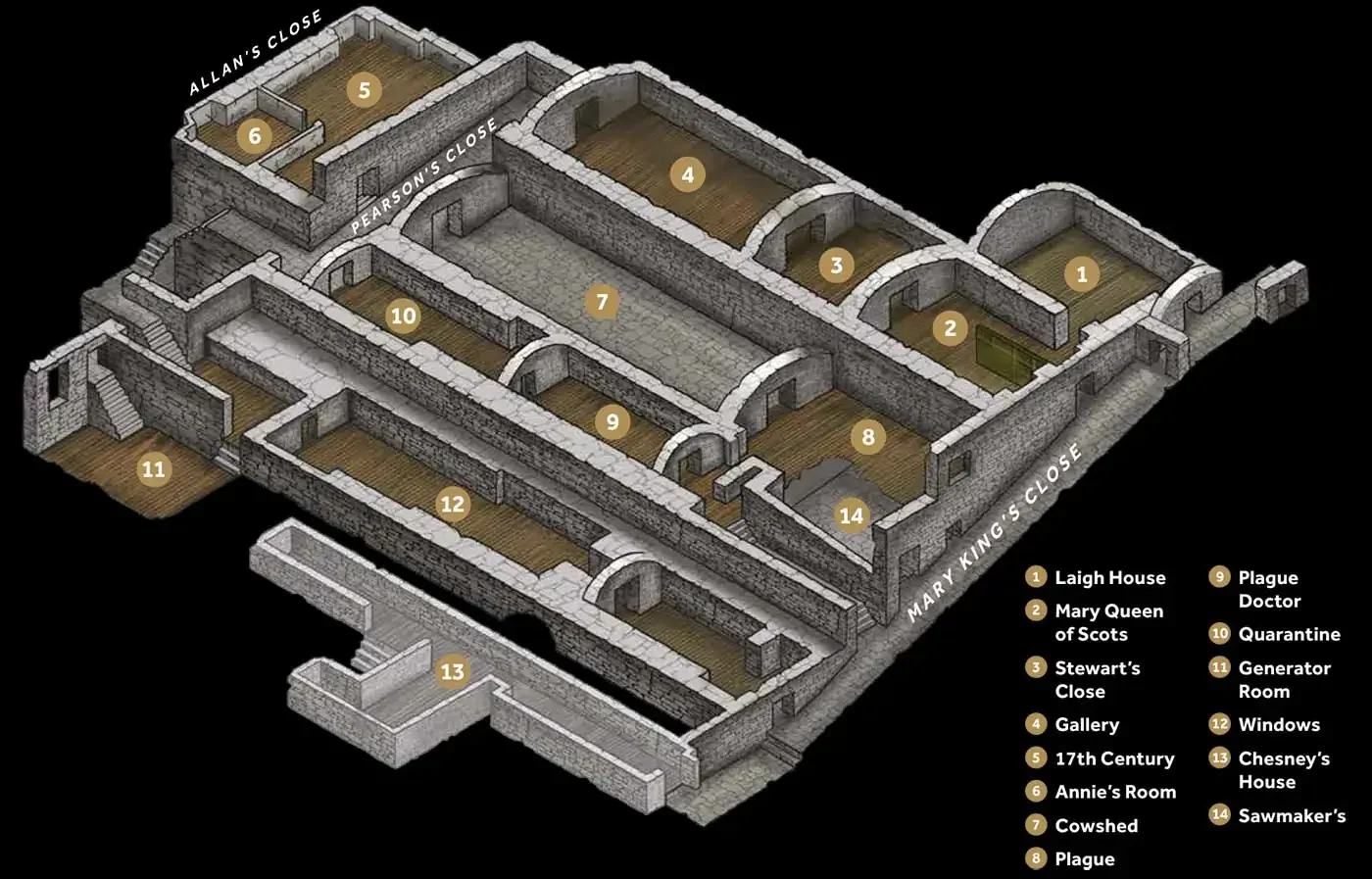
One of the most famous closes on the Royal Mile is The Real Mary King’s Close, which actually now serves as one of Edinburgh’s most popular historical attractions.
The close has been built upon since its origin, leaving some of lane buried under the ground; however, the lower parts of the close were excavated and are now open to the public.
If you are interested in learning more about the history that lies hidden in Edinburgh’s closes, this particular attraction is a great recommendation.
Fleshmarket Close
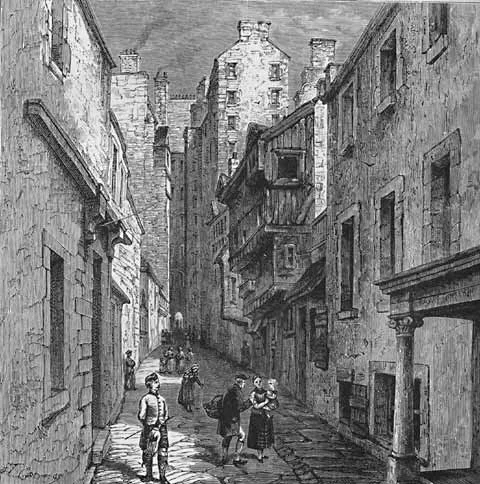
You may stumble across this particular close if you find yourself wandering down the top of the Royal Mile. Historically, the famous close was also known as the ‘Plowt’, which in Scots terms referred to the origin of the meat market and slaughterhouse that resided there.
From what we know of the Close, it is also said to be a nasty walk at the time (referring to the Scots term ‘Plowter’ meaning wetness or mud). That being said, the close is a much pleasanter stroll now.
Lady Stair’s Close
One of the most famous Closes of Edinburgh is Lady Stair’s Close, which is known for its beautiful central lamppost that frames the Writers’ Museum, which houses some of Scotland’s finest works, including some of Robert Burns. The exhibition is free to explore and makes a perfect intermission after shopping or dining at Makar’s Mash bar.
Coincidentally, it is also home to our Lady Stair’s Close accommodation, also known as The Writer’s Attic. This apartment is perfect for couples or individuals looking for a unique location in the heart of Old Town.
Explore our itinerary here. You can also check out the rest of our amazing Edinburgh accommodation here.